From Measurements to Perception: Acceptance Thresholds for Image Quality
Resolution, noise, and dynamic range can be measured with great precision. But at what point do changes actually become visible to people, and when are images still considered acceptable? A recent study investigates how different image quality parameters are perceived and shows how technical measurements can be linked to human evaluation.
Image quality is typically described using objective metrics. Resolution, noise, exposure, and texture preservation can all be quantified, measured, and compared using standardized methods. Yet one important question often remains unanswered: How do these measurements actually affect human perception? Our founder, Dietmar Wüller, has published a conference paper on this topic, which can be downloaded here.
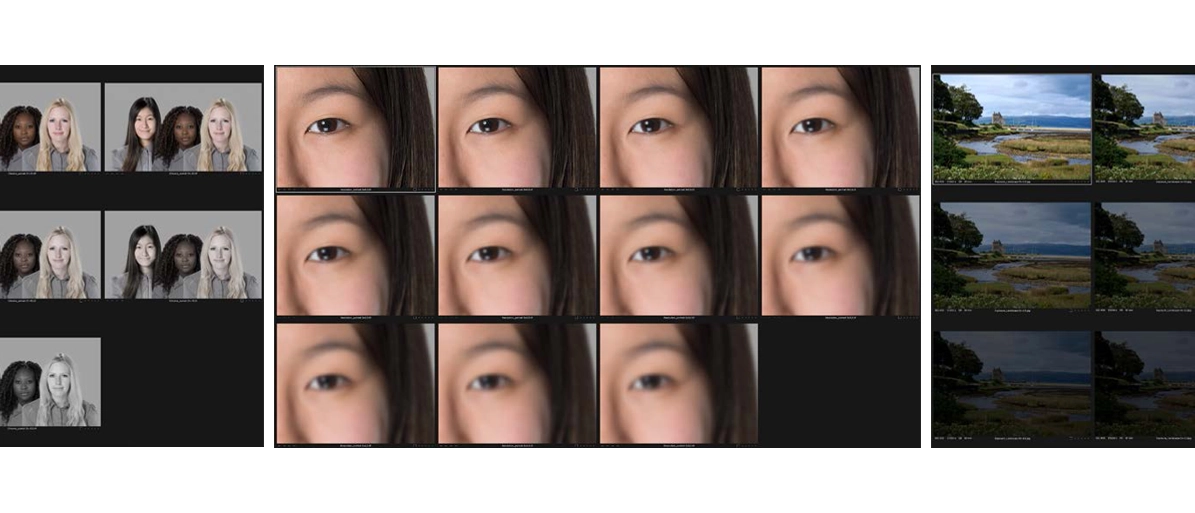
Not every measurable degradation automatically causes an image to be perceived as poor. At the same time, even small changes in specific image quality parameters can significantly affect image usability. This is exactly the question addressed in a recent study conducted by Image Engineering. The goal was to determine acceptance thresholds for different image quality factors and relate them to objective measurement results.
The study focused on five key image quality parameters:
Resolution
Noise
Exposure
Texture Preservation
Color Saturation (Chroma)
For the study, image series were created in which only a single quality parameter was deliberately altered at a time. Different participant groups then evaluated the images to determine the point at which they were no longer considered acceptable. In addition to image quality experts, the study included participants without a specialized imaging background as well as professionals working in the security camera sector.
The results clearly demonstrate that the acceptance of image quality strongly depends on the intended application. While photographic applications typically require higher levels of color fidelity and detail preservation, users in the security sector are willing to accept significantly greater limitations as long as people, license plates, or other relevant scene details can still be identified reliably.
For developers, this leads to an important conclusion: Image quality optimization should not be based solely on technical threshold values. Equally important is understanding which image quality parameters are truly relevant for a given application and which changes are perceived by users.
Combining objective measurement methods with subjective perception provides a solid foundation for product development, quality evaluation, and future standardization efforts. The study results will contribute to ongoing standardization activities and are expected to support the further development of ISO 19093 (Camera Low-Light Performance) and IEC 62676-5 (Video Surveillance Systems for Use in Security Applications).
Related News

Why Good AI Starts with Good Image Data
More and more image processing is taking place directly on edge devices. As a result, the demands placed on intelligent vision systems continue to grow, as do the requirements for the image data on which their decisions are based. Through our membership in the Edge AI and Vision Alliance, we contribute our expertise in image quality and camera testing to an international community.

Evaluating Image Quality Under Real-World Conditions
Modern vehicles no longer observe only their surroundings. Driver and Occupant Monitoring Systems (DMS/OMS) analyze what happens inside the cabin, from gaze direction and driver drowsiness to occupant position and behavior. Many of these systems rely on invisible NIR illumination. To ensure reliable performance, they must also be tested under those exact conditions.

Newsletter July 2026: Relaunch of our website – what’s new!
31 years of Image Engineering – a good reason to treat ourselves (and you) to a comprehensive website relaunch. Our goal was not only a fresher look, but also more value for you as users. Below is a summary of what’s new …